How to Improve Your Candidate Experience

Only one in four North American job seekers say they’ve had a great candidate experience. This data presents a major gap for companies looking to hire, considering strong candidate experience is tied to job satisfaction and culture connection.
This article details how you as an employer can improve your candidate’s experience throughout the recruiting and hiring process. But first, what exactly is the candidate experience?
What is the candidate experience?
The candidate experience is a how the job seeker thinks and feels about their application and interview process with a company. This judgement is gathered from every single interaction large and small, from career website visits to the actual interview to the email exchange. Every touchpoint matters, and is used in forming the job seeker’s candidate experience.
The benefit of this process generating a positive candidate experience extends past just attracting good people. The interviewing and hiring process gives candidates an inside look into how your company treats its people. If someone doesn’t get hired, keep in mind that individual will share their experience with their friends, family, and future colleagues. What do you hope they’ll say?
Here’s how to improve the candidate experience:
Simplify the Process
The overarching theme for improving the candidate experience is rooted in simplification. It all starts with making it easier for potential candidates to learn about your company online and through social media. Your culture, values and history should be on display.
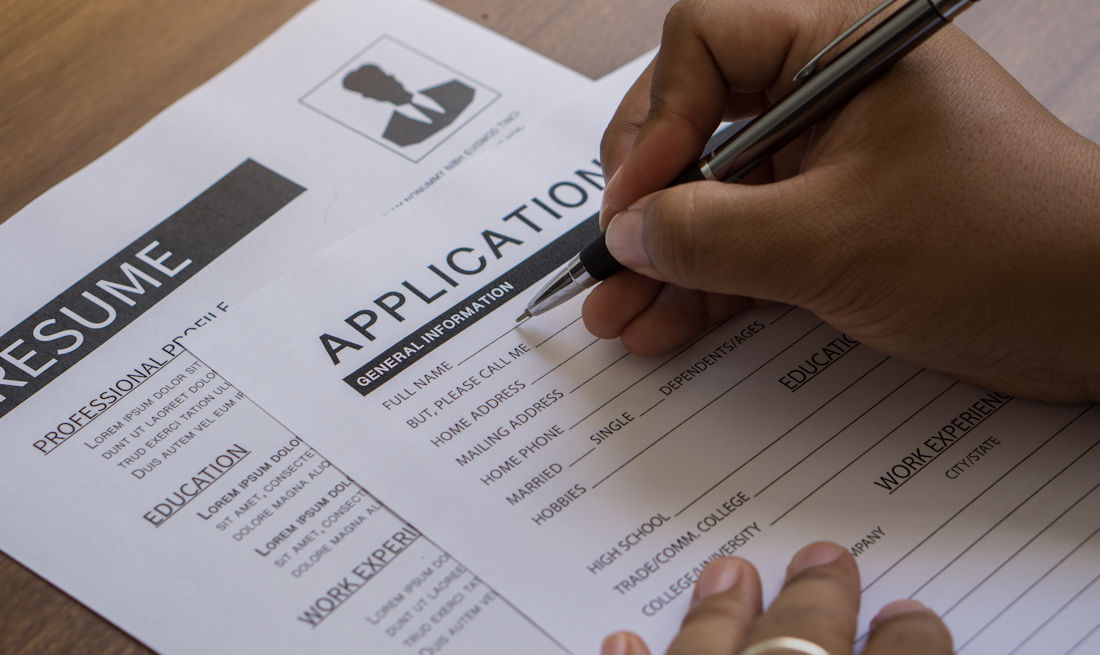
The application process should also be rooted in simplicity. The goal is get qualified individuals to apply. The last thing you want is for people to get annoyed and frustrated by a lengthy or cumbersome application process. Ensure the application is well designed with clear instructions – and keep it mobile friendly.
When it comes to the interviewing stage, don’t be afraid to simplify that either. Being wary of time, cut the fluff while getting the information you need and offering space for feedback and open communication.
Be Clear & Transparent in Your Description
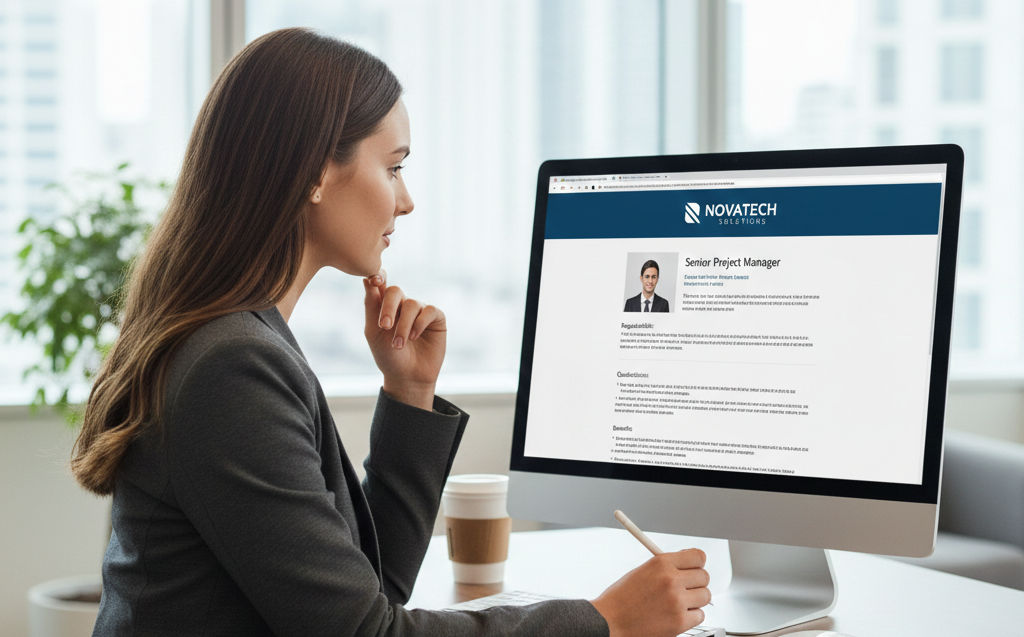
Optimizing your job descriptions is a great place to start, which are too often muddled with confusion and jargon. First, you need to hook your ideal candidates by telling a story and detailing this exciting opportunity – without overselling or getting carried away with job titles. It’s a delicate balance between being realistic about the role while conveying why people would love to work at your company.
A great way to provide transparency is to detail the average day, week or month in that role. You can even provide a timeline for expectations. For example, what the training period will look like, who the candidate will be interacting with in their first weeks, and what the day-to-day will look like in the long run.
Don’t forget to give candidates the information they care about most. The job description and information about company culture and values in important, but don’t leave out vital details about salary ranges, perks and benefits, and what the work setup looks like (i.e. in-office, remote or hybrid).
Personalize Communication & Keep it Up

It’s worth noting that most employers won’t be able to give every applicant the treatment they deserve, knowing many positions receive thousands of applications. But a short but personalized email or phone call will go along way in making applicants feel seen and heard.
Clear and constant communication is central to creating a strong candidate experience throughout the process. The hopeful candidate should never be left feeling forgotten about or unsure about what will happen next. The best approach is to assign a designated contact person to each candidate – ideally the same person who will be doing the interviewing, which will keep the experience personal and simplified.
As a company looking to hire in 2026, the important of personalization can’t be understated. People are inundated with AI job descriptions, chat bots and automated email. Going the extra mile to keep a constant line of personalization communication with candidates will separate your company from the pack.
Make the Most of the Interview

Optimizing your interview process for candidate experience begins with providing clear instructions to the candidate. They should know what to expect past the date, time and location. Let the candidate know who they’ll be interviewing with, along with what they can expect during the interview. If the candidate is showing up in person, offer directions for driving and public transportation, along with parking details and any tips for navigating your building.
During the actual interview, the goal should be to determine whether the candidate is not only a fit with their experience and skills, but a fit for culture as well. The questions should be purposefully designed to signal company expectations, values and culture while learning as much as possible about the candidate.
It will also go a long way if the interviewer offers a refreshment before starting the interview on time, treating the candidate with respect, and maintaining strong eye contact.
Provide Feedback – And Take It!

The ideal interview is an exploration for both parties. Part of that process should include space for giving and receiving honest feedback, which is a great way to humanize the process.
After the interview, feel free to give respectful feedback on what the candidate did well and what they could improve on. This feedback can also be re-iterated in an email following the interview. And as the interviewer, don’t forget to leave the door open for feedback yourself. Provide ample time for questions and open conversation, and humanize yourself by asking for a critique of the entire interview process.
Warm Welcome & Smooth Onboarding

Colleagues gather in a bright workspace, one is packing belongings amid transitions.
If a candidate accepts offer a job, the candidate experience continues into the welcome and onboarding stage. The goal is to make them feel welcome and supported. Instead of an email, try a personal phone call and consider a creative welcome package. Then you can follow up with details in an email that outline what they can expect during the first week. And don’t forget to ask if the candidate has questions, or if they require any special accommodations at the workplace.
When a new hire first arrives at the workplace, make sure they get a chance to meet their team and everyone they’ll be working with. And in the ongoing weeks and months, make sure they have plenty of support. The last thing a new hire wants to feel is abandoned. An employer can assign the new hire a buddy, help setup one-on-one chats, and ensure they’re fully integrated as soon as possible. And don’t forget to set them up with some branded company swag!
Looking to fill a role at your company? Reach out to STRIVE Recruitment for help finding your next all-star team member in Accounting & Finance, Technology, Corporate Administration, or Manufacturing & Operations.
Trusted since 2008, our dedicated team of recruiters have been filling key roles for public and private organizations including Fortune 500 companies for nearly two decades now. Contact us today to learn more about partnering with STRIVE.